
The nation was moved when Sergeant Davis — a war hero who served two tours in Vietnam — got emotional in a recent interview about his personal wellness journey and experience with nerve discomfort.
"I was so frustrated," Davis shared.
"I served my country, but this was something I wasn't prepared for. Years of discomfort in my feet that kept me up at night."
"I was looking for something to complement what I was already doing — something natural I could add to my daily routine."
So, if you're experiencing nerve discomfort — that uncomfortable feeling in your hands and feet that just won't seem to go away…
You're NOT alone.
While continuing his regular routine, Davis came across a wellness researcher who had been studying how certain natural minerals may support overall nerve wellness — an expert who has been recognized as "one of the most influential voices in health" by major publications.
What this expert shared about the role of minerals in overall wellness introduced a complementary approach — and many Americans are now adding this to their daily wellness routine alongside their existing regimen.
The interest was so significant that Thomas Mitchell, a leading health researcher, agreed to sit down for an exclusive interview.
There he explained this approach and why so many Americans are now exploring it as a complement to their existing routine.

During the interview, Mitchell shocked the audience by stating:
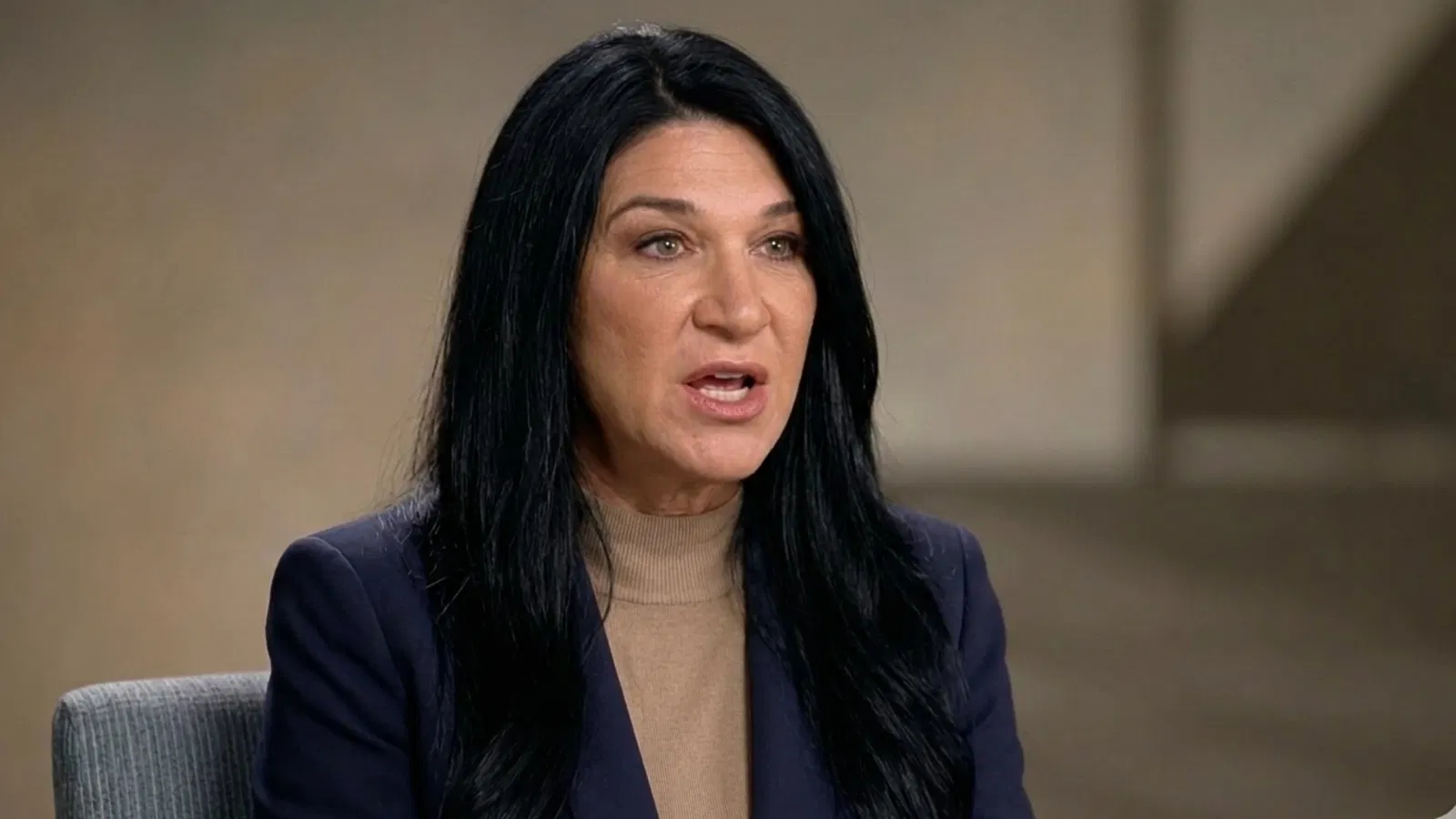
Sarah: Mitchell, millions were moved by this veteran's story. What did you share with him that made such a difference?

Mitchell: Something that's gaining more attention in wellness circles: nerve discomfort isn't always just about age — emerging research suggests that certain nutritional gaps may play a role in how our nerves feel day to day.
When the body doesn't get enough of certain key minerals, it may affect how nerve cells communicate.
Over time, this can be especially noticeable in the hands and feet.
Think of it like a phone line — without the right support, the signal can get weaker. That's one reason some people experience ongoing discomfort.
Sergeant Davis, like many Americans, had never considered how his daily nutrition might be connected to how his nerves felt. When I shared this perspective with him, it really resonated.

Sarah: The 'Pink Salt Trick' segment got over 4.5 million views. Is that what you gave Sergeant Davis ?

Mitchell: Yes. One teaspoon of pink Himalayan salt combined with a common yellow spice — research suggests these minerals may help support overall nerve wellness.
Sergeant Davis told me he started noticing a difference in his comfort levels after adding this to his daily routine.
He mentioned sleeping better and feeling more at ease throughout the day.
Even the people closest to him noticed positive changes. The family was happy to see him in better spirits.

Sarah: Can anyone try this at home?

Mitchell: Absolutely — but I want to be clear, this is not a substitute for any medication or medical advice, and it's not meant to be more effective than conventional approaches.
Think of it as a simple, natural addition to your existing routine that may help support your overall comfort.
Anyone can explore this, regardless of age. You probably have this ingredient in your kitchen right now.
Many people have shared positive feedback after adding this to their daily wellness routine.
Even I, at 64, include this in my morning routine. It's become part of how I support my overall wellness.
A researcher who has been studying this approach put together a short video explaining how to try this at home — the type of pink salt, what the yellow spice is, the suggested amount, and when to use it.
WATCH THE SHORT VIDEO TO LEARN MORE ABOUT MANAGING NERVE DISCOMFORT